


 Contact Us
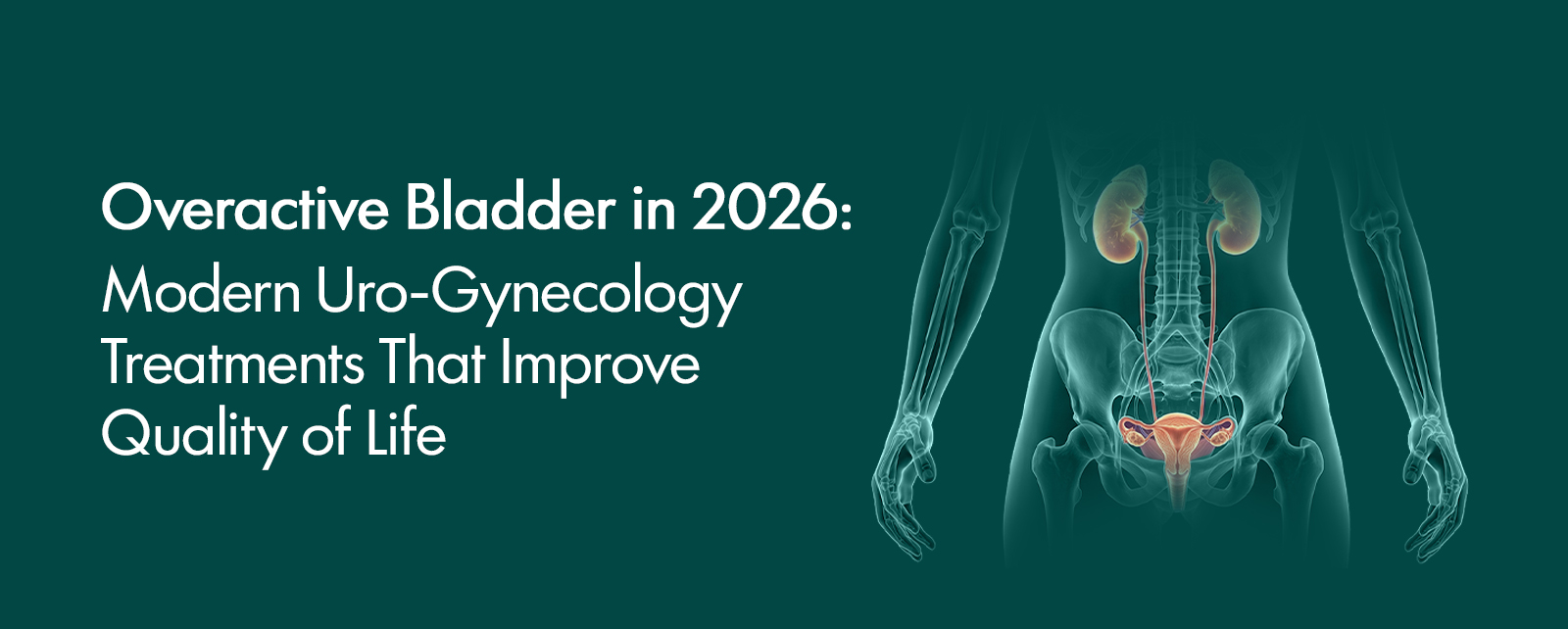
Overactive Bladder in 2026: Modern Uro-Gynecology Treatments That Improve Quality of Life
A sudden urge to urinate can disrupt not just your everyday routine. It can also interrupt during meetings, slowly affect your confidence and disturb your sleep. Many individuals dismiss all these symptoms as a normal part of childbirth recovery, stress or ageing. However, that is usually a big mistake. An overactive bladder is a medical condition that can affect women and men at various stages of life. But the best part here is that the treatment has changed greatly in recent years. The best urologist in West Delhiis now offering better ways to detect issues early and manage them properly. With the correct care, patients can regain comfort, control and a better quality of life.
What Is an Overactive Bladder?
Overactive bladder, often called OAB, is a condition where the bladder sends signals to empty even when it is not full. This creates a frequent and urgent need to urinate. The condition may include:
- Sudden urge to urinate
- Frequent bathroom visits during the day
- Waking up multiple times at night to urinate
- Leakage before reaching the toilet in some cases
These symptoms can range from mild to severe. They can affect work, travel, sleep, and social confidence.
Early Signs You Should Not Ignore
Many individuals delay the treatment because they think the symptoms might go away. Some people even ignore them out of embarrassment. That specific delay can worsen the condition. Some of the common warning signs, which physicians from the top NABH accredited hospital Delhi include the following:
- Frequent Urination
- Sudden Urgency
- Night-Time Disturbance
- Urge Incontinence
Who Is More Likely to Develop It?
Overactive bladder can affect anyone, but certain groups face a higher risk. These include:
- Women after childbirth or menopause
- Older adults
- People with diabetes
- Individuals with neurological conditions
- Patients with recurrent urinary infections
- People with obesity
Hormonal changes, weakened pelvic muscles, and nerve-related issues often play a major role.
Modern Uro-Gynaecology Treatments in 2026?
Treatment is no longer limited to medicines alone. Today, care is more personalised and often combines multiple therapies.
Pelvic Floor Rehabilitation
This is usually known as the first step. It includes the following:
- Electrical muscle stimulation
- Guided pelvic floor workouts
- Biofeedback therapy
These are some of the techniques that can help in enhancing bladder control naturally.
Lifestyle and Behavioural Therapy
Small changes often create big results. Doctors may suggest:
- Timed urination schedules
- Fluid management plans
- Reducing caffeine and alcohol
- Weight management support
New-Generation Medications
Modern drugs are more targeted and often cause fewer side effects than older medications.
They help calm the bladder muscles and reduce urgency.
Botox Therapy for the Bladder
Botulinum toxin injections can help relax overactive bladder muscles. This specific treatment is helpful for patients who do not properly respond to medication. The outcome of this injection can last for several months.
Neuromodulation Therapy
This is the most exciting development in the area of uro-gynaecology. It functions by stimulating the nerves that control the bladder. It includes the following types:
- Percutaneous tibial nerve stimulation
- Sacral nerve stimulation
These are minimally invasive treatment options, which can greatly lower the symptoms.
Laser and Regenerative Therapies
Some of the centres now use highly advanced regenerative techniques to enhance the tissue strength and support pelvic health, particularly in women after menopause.
Why Early Treatment Matters?
An untreated overactive bladder can slowly affect physical and emotional health. Patients might start to avoid social events, workouts and travel. Sleep deprivation can lead to mood changes, poor concentration and fatigue. Early treatment can help prevent all these complications. It also helps in enhancing the long-term outcomes.
Conclusion
Living with an overactive bladder might make you feel very exhausted. However, you should never feel hopeless. Quick diagnosis and proper awareness have changed the treatment journey greatly these days. Patients now have access to minimally invasive procedures, nerve therapies, targeted medicine, and pelvic rehabilitation that can improve their daily lives. But the most crucial step here is to seek medical help early. On-time treatment can help restore independence, confidence, and comfort. Patients who are in need of advanced uro-gynaecology care, Sri Balaji Action Medical Institute offer them the help they need. Being the best high-risk pregnancy hospital Delhi, it offers specialised services, experienced clinical teams, along with modern-day treatment pathways that focus on enhancing the long-term quality of life and bladder health.
FAQs
Can stress make an overactive bladder worse?
Yes. Stress can easily trigger bladder muscle sensitivity and also increase the urgency in some patients.
Is an overactive bladder always linked to ageing?
No. Younger adults can also develop it because of lifestyle factors, nerve disorders and hormonal changes.
Can drinking less water cure an overactive bladder?
Not necessarily. Cutting down the water intake is way too much and can irritate the bladder and worsen the symptoms.
Are pelvic floor exercises safe after childbirth?
Yes, but they should be guided by a trained specialist for the best results and safety.

