Contact Us

Understanding Anal Fistula: Causes and Symptoms
A fistula in an anal is a condition that can lead to pain and distress for the people suffering from it. Knowing its causes, symptoms, and treatment options is essential for anyone who is facing this problem or someone who wants to help that person. An anal fistula creates a connection from the anal wall to the skin outside. This article talks in detail about anal fistulas, their causes, common symptoms, and treatment in Delhi.
What is an Anal Fistula?
An anal fistula is a disease that occurs when a skin opening is created from the inside of your anus to the outside of your skin. Generally, it develops in the upper part of your anus (butthole), which is the place where your anal glands are. These glands become infected, and the infection that forms can cause drainage from the fistula.
The infection is called a perianal abscess. At times, an anal fistula is also referred to as a perianal fistula. It might ooze any kind of drainage, like pus, blood, or poop, especially when you touch the skin around it. It is a condition where there is an abnormal connection between the rectum and the skin near the anus, which causes pain, itching, and the discharge of pus. This, in turn, leads to the pain and swelling of the fistula, which remains closed until it reopens to drain out the pus.
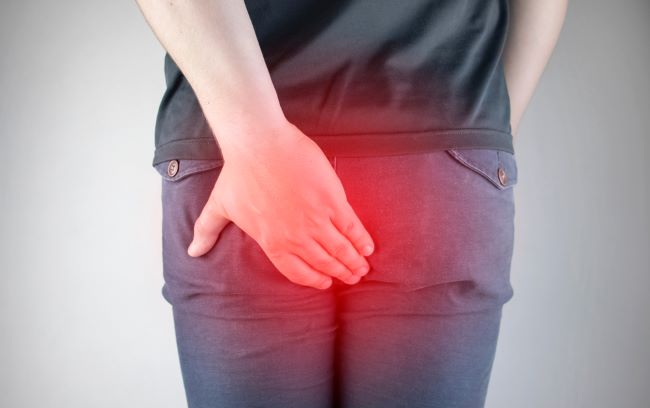
What are the Signs and Symptoms of an Anal Fistula?
The most common anal fistula symptoms are:
1. The back pain is usually very strong. You may experience it more when you poop, cough, or sit. Your butt may be so sensitive when it is touched.
2. Inflammation of the anus (the nearby area) signifies the presence of redness and swelling inside or around. These signs are cellulitis, which indicates an infection under the skin.
3. Fluid drainage through the anus usually indicates the presence of some complications. The point may be infected with pus, poop, or blood (rectal bleeding). It could even have a smell.
4. Swelling or inflammation around the anal opening may be present, particularly when there is an abscess.
5. Some people may feel itching or irritation around the anus due to the fistula that is present.
6. Some people might get fever and chills when an infection occurs.
What are the Main Reasons for a Fistula?
The main reason for an anal fistula is the perianal abscess that usually occurs over an infected anal gland. An abscess is a pus pocket that develops at the place of an infection.
The pus has to be drained, which may create its own drainage channel to the exterior. However, most of the time, the wound does not heal, thus leaving a fistula. Uncommon causes of anal fistulas include:
1. Anal Abscesses: These are groups of pus that occur in the anal region because of an infection of one of the anal glands. If the anal abscess is not treated, it can cause the formation of an anal fistula.
2. Inflammatory Bowel Disease (IBD): Problems like Crohn's disease and ulcerative colitis, which cause inflammation in the digestive tract, can be the reason for the increase in the risk of developing anal fistulas.
3. Infection: In the anal region, if there are infections, such as sexually transmitted infections (STIs) or tuberculosis, then fistulas can be formed. Anal STIs (sexually transmitted infections) are diseases that are transmitted via sexual contact.
4. Trauma: Injuries to the anal area, for example, during childbirth or from surgery, may cause the formation of anal fistulas. A severe injury or surgery in your anus in the past are the two main causes.
5. Chronic constipation or diarrhoea: conditions that result in continuous tension during bowel movements heighten the chance of getting anal fistulas.
Diagnosis and Tests
What are the Methods for Diagnosing an Anal Fistula?
Healthcare professionals can detect most of the anal fistulas during a physical exam, but at times the opening to the outside is shut. This may be a part that needs anaesthesia. If it is too painful for your doctor to examine or open your anus to see the inside, he or she may have to examine you in the operating room under sedation.
Your provider may use a lighted scope, such as an anoscope or a proctoscope (a longer scope that can be used to view your rectum), to locate the inside source of the fistula. In rare cases, they may introduce hydrogen peroxide into the external opening to locate the fistula at the root of the infection. The peroxide will mix with the infection, and bubbles or foam will form at the site of the infection. The inside source can establish the fistula.
Anal Fistula Treatment in Delhi
In most cases, the anal fistulas need to be repaired by surgery. Spontaneous healing is usually followed by infections and abscesses, which are the reasons for the reopening of the fistula. Nonetheless, if your fistula is due to inflammatory bowel disease and is not infected, it will sometimes be healed with medical treatment. Your provider might attempt treatment with an immunomodulator, such as infliximab, before choosing surgery for these fistulas.
Anal fistula treatment in Delhi can be a simple or complex one, depending on the fistula's complexity. The most frequent type of anal fistula is simple intersphincteric fistulas, which are characterised by a small amount of muscle involved. These are the ones that can be dealt with in a single operation. The intricate fistulas may demand surgery in stages.
The Bottom Line
It is important to identify the anal fistula symptoms and to have, as soon as possible, a medical intervention to be able to manage the situation effectively. In Delhi, there is a wide variety of treatment options for anal fistulas, which include cutting-edge surgical techniques to heal anal fistulas from reputed hospitals like Shri Balaji Action Medical Institute and to get back to a healthy life.