Contact Us
Da Vinci Robotic Surgery in Delhi: How It Works & What to Expect
Author : Dr. Atul Goswami
Da Vinci Robotic Surgery in Delhi: How It Works & What to Expect
Over the past few years, surgery has undergone significant changes. Many procedures that previously required large incisions are now performed with smaller incisions. One of the technologies that assist surgeons in complex procedures to be done with more control and precision is robotic surgery.
When looking for Da Vinci robotic surgery Delhi, it is important to know what robotic surgery is. The robot is not able to execute the operation by itself. The surgeon is in full command during the operation. Robotic technology provides the surgeon with better vision, more controlled movement and more accuracy.
How Does Da Vinci Robotic Surgery Work?
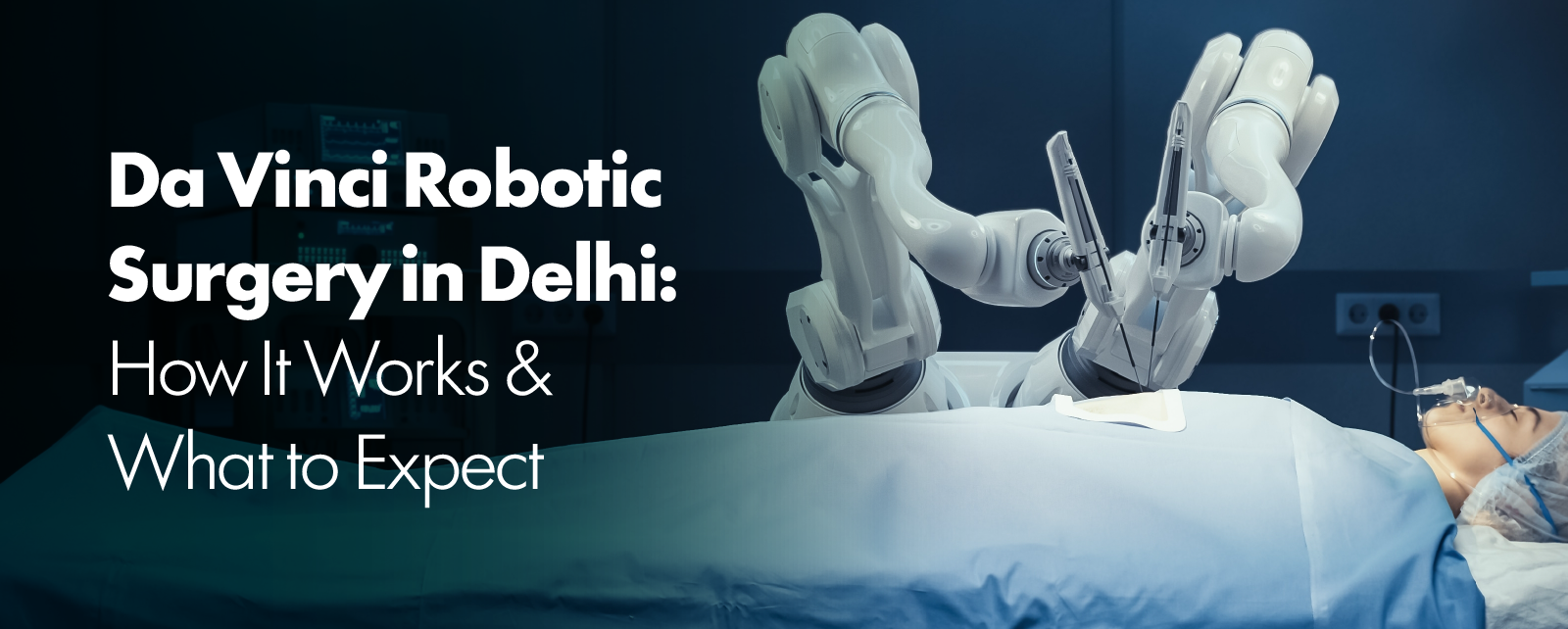
Typically, a robotic surgical system consists of three major components: a console on which the surgeon sits, a high-definition camera and robotic arms with specialised surgical instruments.
The surgeon operates the robotic arms in the operating room from the console. The surgeon's every motion is replicated in the patient's body in small, precise movements. The robotic system may also help to minimise the impact of small tremors of the hands.
Another great benefit is improved vision. The surgeon has a clear and magnified view of the area being operated on. The instruments may also be flexible and pivotable, which can help in working in small or hard-to-reach parts of the body.
What can be the Potential Advantages of Robotic Surgery?
The overall purpose of Da Vinci robotic surgery Delhi is to create a more precise and less invasive surgery. Smaller and more accurate cuts can minimise damage to adjacent healthy tissues.
Sri Balaji Action Medical Institute says that robotic surgery can advantages like:
- Less visible scars
- A lower risk of damage to adjacent tissues.
- Reduced blood loss
- Less post-surgery pain
- Reduced risk of infection in appropriate cases
- Faster discharge for patients
- A quicker recovery and return to everyday life.
But each patient is unique. The advantages vary according to the surgical procedure, the patient's health status and the expertise of the surgical team.
What to Anticipate before the Surgery?
Your doctor will thoroughly examine your medical condition before undergoing robotic surgery. Depending on the operation, blood tests, imaging tests and other investigations may be required.
The surgeon will discuss the indication for the surgery, robotic surgery and what to expect after surgery. Also let your doctor know about any health conditions and medications you are taking.
The key is that not all patients are candidates for robotic surgery. A proper medical assessment should be done and the final decision made.
What is the Procedure for Robotic Surgery?
During the operation, you will usually be under anaesthesia. The surgeon is in charge of the robotic system and makes all the crucial decisions. The technology is for the surgeon's benefit, not in place of the surgeon.
After surgery, the medical team monitors your condition, pain level and recovery. Robotic surgery may involve smaller incisions, which means that many patients may experience less pain and recover more quickly from the procedure than they would from a traditional open surgery.
How long you will need to stay in the hospital and how long you will need to recover will depend on the surgery you have had and your overall health.
Robotic Surgery at Sri Balaji Action Medical Institute
Sri Balaji Action Medical Institute offers robotic surgical treatment in various departments. It also has a listing of its robotic services, which include urology and uro-oncology, general surgery, gastrointestinal surgery, joint replacement, spine surgery and obstetrics and gynaecology.
The hospital also has experts in robotic and laparoscopic urology and uro-oncology, with Dr Atul Goswami, Director, having over 28 years of experience in the field.
When looking for the best robotic surgeon in Delhi or the best private hospital in Delhi NCR, patients should not just consider the technology. Experience of the surgeon, proper planning, hospital facilities and patient-specific evaluation are also important.
Conclusion
Robotic surgery is the use of cutting-edge technology and the expertise of a skilled surgeon. It is primarily used to improve the control of complex procedures, their precision, minimise tissue damage and promote quicker recovery.
If you're thinking about having surgery with a robot, talk to an expert who has a lot of experience with them first. During a detailed consultation, you can learn if robotic-assisted surgery is right for your condition and what you can expect to achieve with it.
FAQs
- Does the robot perform the surgery by itself?
No. The surgeon is in charge of the robotic system during the surgery and makes all critical decisions.
- Does robotic surgery hurt?
In most cases, robotic surgery requires smaller incisions, which means that patients may experience less pain or discomfort than they would with traditional open surgery.
- Can everyone undergo robotic surgery?
No. It will depend on the health condition of the patient, the type of disease, and the procedure to be performed. Every case needs to be looked at by a surgeon.
- What is the recovery time after robotic surgery?
Recovery will differ from person to person and will depend on the procedure. But for many patients, the smaller incisions and less tissue damage can mean that they return to normal activities sooner.