Contact Us
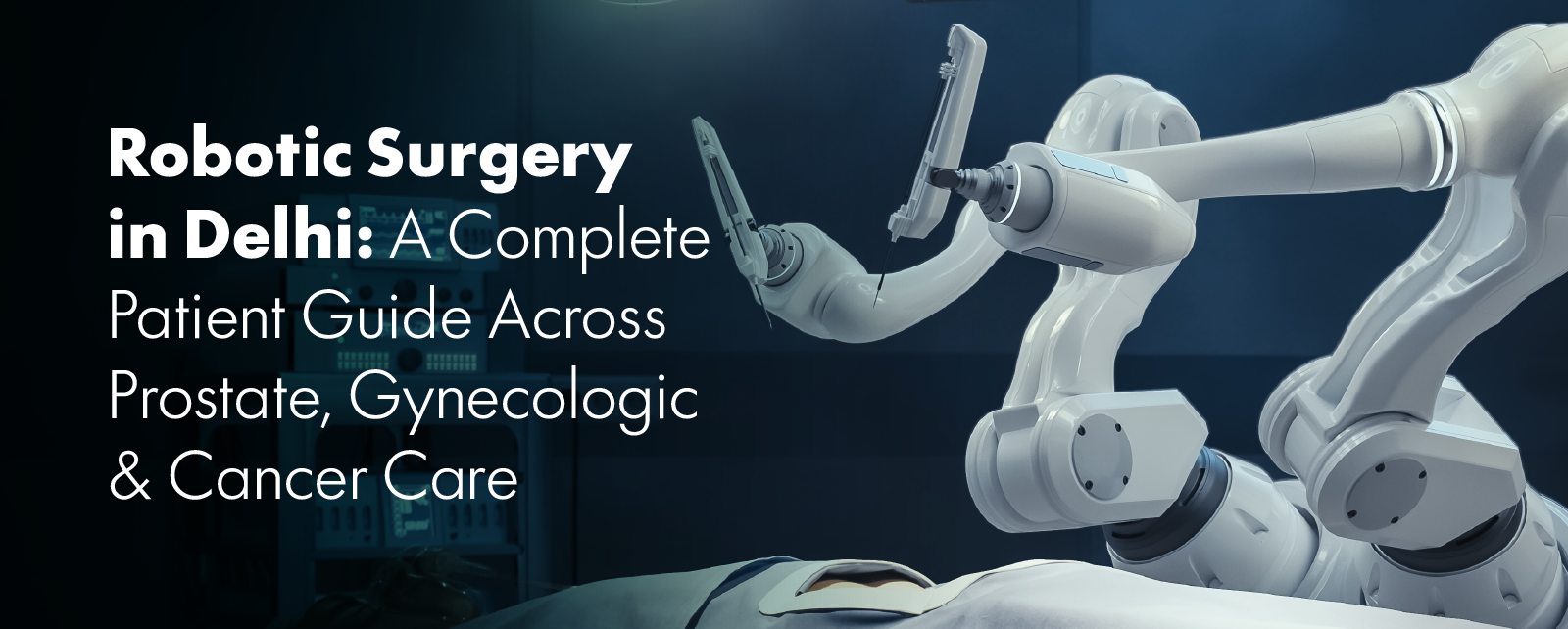
Robotic Surgery in Delhi: A Complete Patient Guide Across Prostate, Gynecologic & Cancer Care
Author : Dr. Atul Goswami
Robotic Surgery in Delhi: A Complete Patient Guide Across Prostate, Gynecologic & Cancer Care
Over the years, surgery has undergone a tremendous transformation. Advanced technology is used for many operations that previously required large cuts to be made through smaller incisions. One such approach is the use of robotic surgery. It combines the experience of a trained surgeon with a robotic system that provides improved vision, controlled movements and precision.
Sri Balaji Action Medical Institute provides robotic and minimally invasive surgical treatment for various specialities such as urology, gynaecology, general surgery and gastrointestinal surgery. When considering prostate, gynecologic, or cancer surgery, patients may find it easier to make treatment decisions if they understand how robotic surgery works.
What is Robotic Surgery?
Robotic surgery does not imply that a robot does the surgery. The surgeon is in control during the whole procedure. The robotic system is an advanced surgical tool and mimics the surgeon's actions.
The system can provide the surgeon with a high-definition magnified view of the area to be operated on. The robotic arms can make fine and stable movements, bending and rotating more than the human hand. These features can be beneficial in surgery performed in a small or hard-to-reach area.
For patients, minimally invasive robotic surgery may offer benefits such as smaller incisions, less tissue damage, less discomfort after surgery, minimal scarring, shorter hospital stays, and faster recovery compared with traditional open surgery.
Robotic Surgery for Prostate Conditions
Treatment for prostate cancer will depend on the stage and grade of the prostate cancer. Treatment may involve active surveillance, surgery, radiation, and/or hormone therapy.
If surgery is needed, a radical prostatectomy is performed, where the prostate and some surrounding tissue are taken out. This surgery can be done using open surgery, laparoscopy or robot-assisted surgery, says Action Hospital.
The robotic and laparoscopic urology and uro-oncology team at the hospital can be consulted by patients looking for robotic prostate surgery Delhi. The hospital also offers specialist urological procedures including robotic assisted radical prostatectomy, robotic partial nephrectomy, robotic radical cystectomy and robotic pyeloplasty.
Robotic Surgery for Gynaecology
There are also a number of women's health conditions that undergo minimally invasive surgery. Action Hospital's gynaecological services include robotic and laparoscopic surgery.
For more complicated gynaecological surgeries, robot-assisted surgery might be an option. Robotic surgery is often performed in situations like radical hysterectomy for gynecologic cancer, the hospital says. Minimally invasive gynecologic surgery may also be indicated for the removal of some tumours and cancer staging.
The initial step for any woman thinking about undergoing robotic hysterectomy Delhi is to have a detailed consultation. Before deciding if robotic surgery is appropriate, the doctor will be able to look at the diagnosis, medical history, test results and overall health.
Robotic Surgery in Cancer Care
In addition, robotic technology can be used to assist in the surgical treatment of various cancers. Action Hospital offers uro-oncology treatment for prostate, kidney and bladder cancer. Gastrointestinal surgery is its speciality for diseases of the digestive tract, liver, pancreas and related organs, including gastrointestinal cancers.
Laparoscopy or robotic-assisted surgery can be used for many GI surgeries. These are minimally invasive techniques, which involve small incisions and specialised instruments and can help to minimise pain, reduce hospital stay and promote speedy recovery.
Patients considering robotic cancer surgery Delhi should keep in mind that the most effective surgical approach will depend on the type of cancer, its location, stage, overall health, and the treatment plan recommended by the doctor.
What Should Patients Discuss Before Robotic Surgery?
Patients should discuss diagnosis, treatment options, anticipated recovery, risks, and follow-up with their surgical team before deciding to undergo robotic surgery. While robotic technology assists the surgeon, proper planning and experienced medical professionals are also crucial to achieving good outcomes.
Conclusion
Robotic surgery has revolutionised many complex surgeries to become more precise and less invasive. It can provide patients with smaller incisions and a smoother recovery process for a variety of procedures, including prostate surgery, gynecologic surgery and certain cancer surgeries.
Sri Balaji Action Medical Institute offers robotic surgery in specialised departments of urology, gynaecology, general surgery, and gastrointestinal surgery. Patients should speak with the appropriate specialist to determine if robotic surgery is right for them.
FAQs
- Can the robot do the surgery without human intervention?
No. The surgeon is in control of the procedure, and all important decisions are made by the surgeon. The robotic system is used as a surgical tool that aids the surgeon.
- Does robotic surgery work for all patients?
Not always. The suitability will largely depend on the patient's health status, diagnosis and the nature of the surgical procedure.
- Can robotic surgery be used for prostate cancer?
Yes. Prostate Cancer Surgery Options include Robot-assisted radical prostatectomy.
- Can robotic surgery be used for gynecologic cancer?
Yes. According to Action Hospital, robot-assisted surgery can be performed in more complex gynecologic surgeries, such as radical hysterectomy for gynecologic cancer.