Contact Us
Understanding Hernia: Causes, Types, and Symptoms
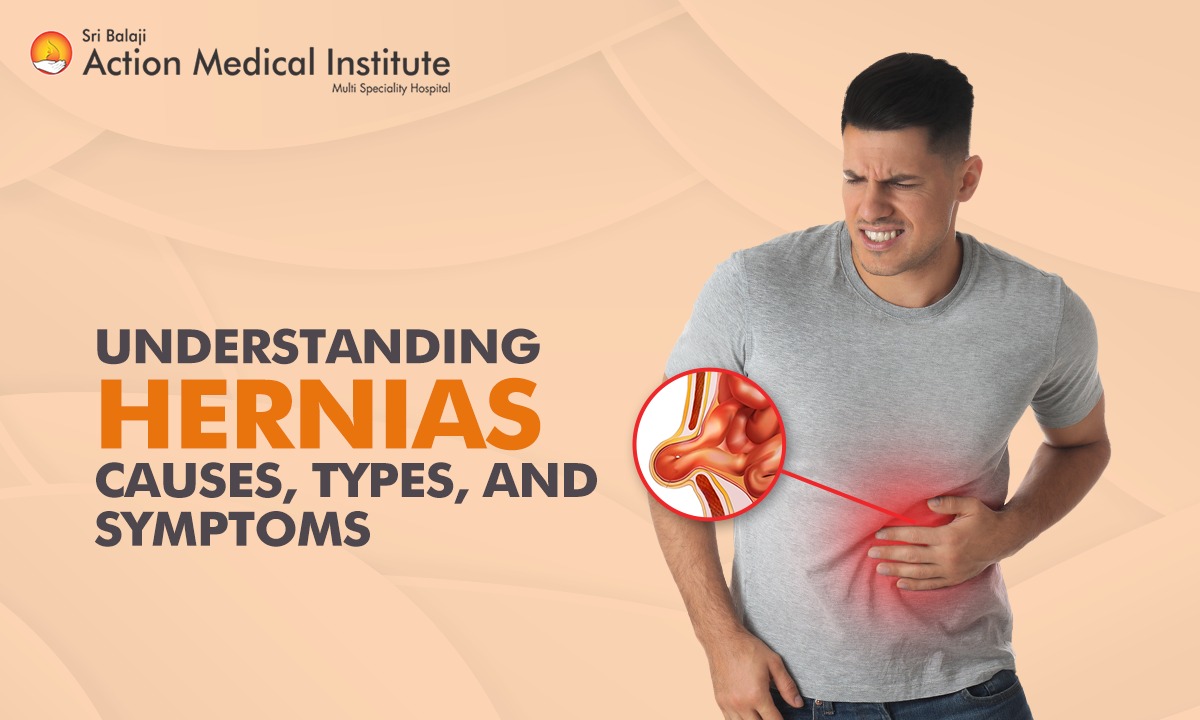
A hernia occurs when an organ or fatty tissue forces its way through a thin spot in the surrounding connective tissue called fascia, which is a muscle tissue. They commonly take place in the abdominal area, where the abdominal wall is normally weak, like in the abdomen or groin region, and can be due to different causes.
Though hernias arise or develop in different regions of the body, they are usually located in the abdomen. The conception and classification of hernias are major steps to achieve the proper diagnosis and will help us to make the right decision for treatment. This article comprehensively studies hernia, with a special concentration on causes, types, symptoms, and therapeutic methods, especially in metropolitan areas like Delhi.
Causes of Hernia
Hernias may arise because of weak muscles and the strain exerted on them. During the process of developing hernias, the following factors are considered:
Genetic Predisposition: Certain people are equipped with the condition of low belly muscle strength since birth, making them very vulnerable to the onset of hernias.
Heavy Lifting: Lifting the heavy things too often in the incorrect technique can result in the straining of the abdominal muscles.
Chronic Coughing: Constant coughing increases the pressure on the abdomen, which may result in a hernia.
Obesity: The abdomen is additionally weakened as a result of the excessive weight burden.
Pregnancy: The pressure coming from a growing fetus is so high that a pregnant woman can have a hernia.
Constipation: Straining while pooping also can cause a hernia to occur.
Previous Surgery: During hernia surgery, surgical cuts may cause the abdominal wall to become weaker so that after the surgery the hernias can develop.
Types of Hernia
The hernias are of a few types, and each one is named according to the site and the tissues affected. The most common types include:
Hiatal Hernia: The hernia which occurs when part of the stomach protrudes into the chest cavity is called abdominal diaphragmatic hernia. It might make a person to reverse the gastroesophageal reflux.
Inguinal Hernia: Many patients experience this one, which manifests for the first time in their lower abdomen, mostly in the groin. It occurs more frequently in men because of the natural deficiency in the area that is average in such men.
Femoral Hernia: Finding just under the inguinal ligament, in the upper leg of the body, this type of hernia occurs in women more frequently.
Umbilical Hernia: Lies around the belly button and is commonly found in newborns, although adults can also get it.
Spigelian Hernia: Distinguishable at the edge of the muscle fibres that make up the rectus abdominis, and this tissue is often more difficult to palpate.
Incisional Hernia: Types at the site of the surgical incision. Because of the weak spot in the abdominal wall that is left behind, this is possible.
Epigastric Hernia: Happens between the umbilicus and the lower part of the ribcage in the middle of the belly.
Symptoms of Hernia
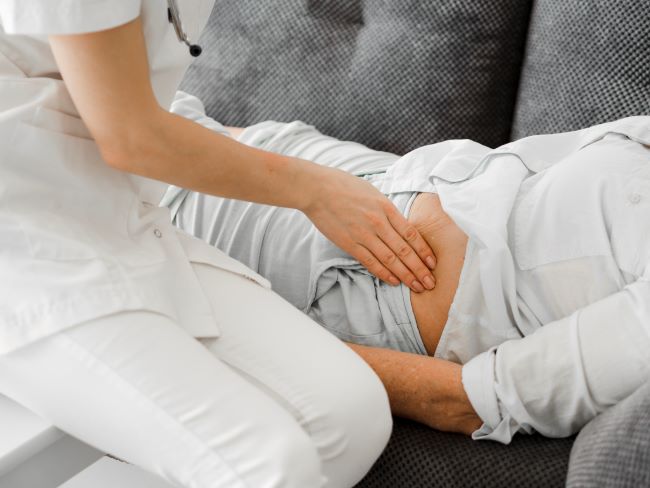
The manifestations of hernia could be different depending on the type and level of seriousness. Common signs include:
Visible Bulge: A tangible lump or bulge occurring in the area of the ailment, which is generally seen when you stand or strain.
Pain or Discomfort: Pain, dull or sharp, located near the hernia site, which feels more intensely during lifting or activities that make the muscle work harder.
Burning or Gurgling Sensation: Certain persons may suffer from a burning or gurgling sensation that takes place on/or around the hernia.
Nausea and vomiting: In very serious cases where the hernia is obstructing the bowel, severe nausea and vomiting may develop.
Difficulty Swallowing: Hiatal hernias, although not the best idea, can result in a person having problems swallowing, heartburn and chest pain.
Hernia Surgery and Available Options
The options for hernia treatment in Delhi are different according to the type and degree of the condition. Surgical treatment is a necessity for most hernias, which may not respond well to modifications in lifestyle and the use of non-surgical techniques.
Non-Surgical Treatments
Lifestyle Modifications: Weight reduction, not picking heavy things and trying to stop coughing from being frequent can be some of the factors to prevent an existing hernia from getting worse.
Medications: For hiatal hernias, medications that decrease the amount of stomach acid to ease the symptoms.
Surgical Treatments
In many cases, the hernia surgery is conducted to rectify the weakened chosen area of the abdominal wall.
Open Surgery: The previous technique of the giant incision was the traditional one, which offered access and repaired the hernia. The surgeon can reinforce the area brought into jeopardy using a mesh.
Laparoscopic Surgery: This minimally invasive procedure involves several small cuts and operation conduction with a laparoscope, a thin tube with a camera. Most often, patients with laparoscopic surgery self-report less post-operative pain and a faster recovery.
Hernia Treatment in Delhi
New Delhi, being a highly developed metropolis, will provide patients with several alternatives to hernia surgery. The patients have the privilege of selecting myriad hospitals and centres of physicians that are sophisticatedly fitted with current technologies and competent surgeons.
Features of Consulting for Hernia Treatment in Delhi
Experienced Surgeons: Hernia Surgery involves skilled and seasoned surgeons who are experts in hernia treatment.
Accessibility: As the capital city and metropolis of Delhi, it is well-connected and easily accessible, making it the right point for patients from all over the country and outside the borders.
Comprehensive Care: Hernia Treatment in Delhi delivers full care coverage, starting with pre-operative evaluation, surgery, and post-operative follow-up.
The Bottom Line
Realising the role of hernia and its causes, types, and symptoms is vital in early identification and appropriate management. In contrast, most lifestyle changes serve to reduce an effect but not to combat a problem, with hernia surgery being the treatment option of choice. If you feel a hernia or have any symptoms related to this, consult a healthcare provider to discover the treatments that could help the most.