Contact Us
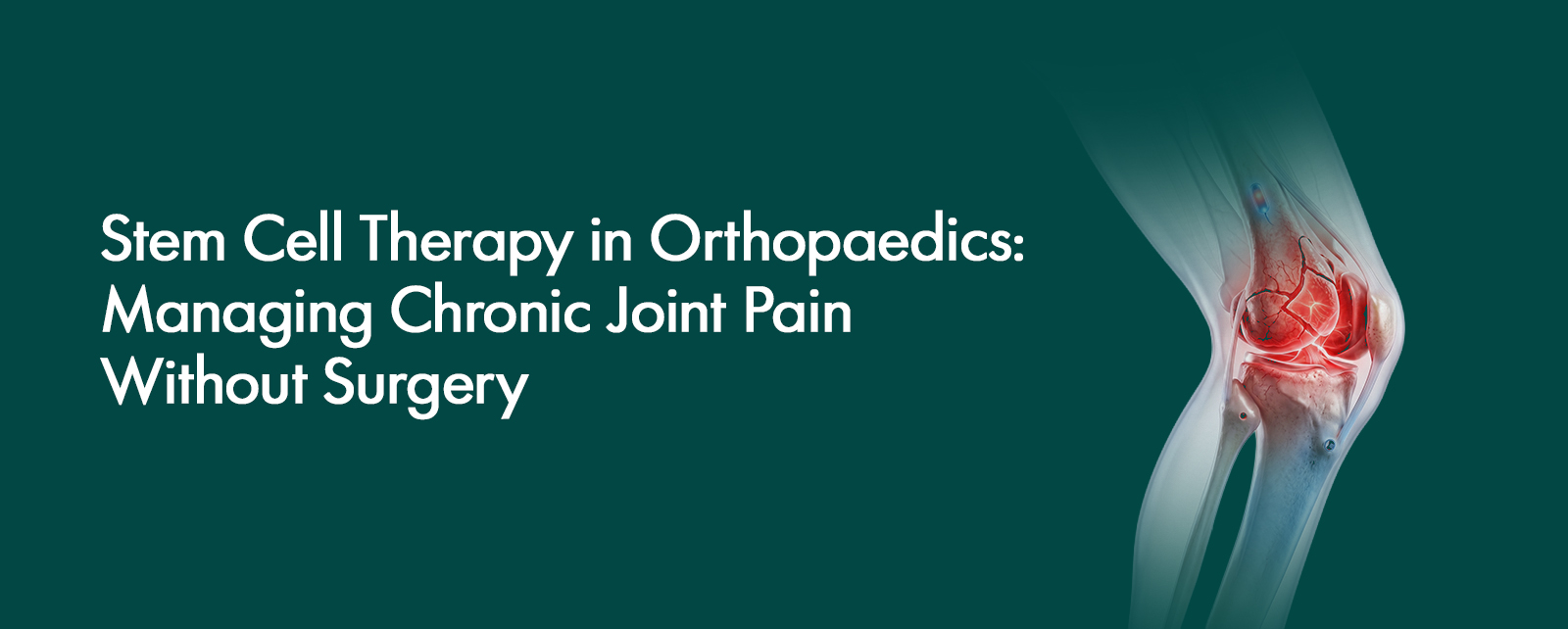
Stem Cell Therapy in Orthopaedics: Managing Chronic Joint Pain Without Surgery
Severe joint pain can quietly change the way an individual lives. Simple tasks, such as sitting for long hours, walking and climbing stairs, might start to feel a bit difficult. For many individuals, surgery stands out as the ultimate option, but not everyone is prepared for that step. This is where regenerative medicine is changing the conversation. Stem cell therapy, which is offered by a reliable orthopaedic hospital in Delhi, is becoming an essential non-surgical option in orthopaedics. It keeps the focus on healing the damaged tissues rather than just managing the condition. This treatment has also gained plenty of attention for its role in mobility improvement and pain relief.
Understanding Chronic Joint Pain
Joint pain stands out as the most common health complaint across the globe. It has an impact on individuals of all ages. Some might experience this after an injury. Others develop it slowly with age. Here are the typical causes:
- Degenerative joint diseases
- Tendon inflammation
- Ligament tears
- Cartilage damage
- Sports injuries
- Osteoarthritis
Pain is said to start small. Over time, it might become constant. This can have an impact on the movement, daily confidence and sleep.
What Is Stem Cell Therapy?
Stem cells are known as special cells found in the body. They have the ability to develop into various kinds of tissues. In orthopaedics, they are used for healing. Here, the objective is simple: Repair all the damaged tissues naturally. The best orthopaedic surgeon Delhi uses adult stem cells during the treatments. The stem cells are usually collected from the following:
- Fat tissue
- Bone marrow
The cells are carefully processed. After that, they get injected into the damaged joint. Here, the idea is to help the body heal itself.
Why Is It Becoming Popular?
Traditional joint pain treatments often focus on symptom control. That usually means:
- Painkillers
- Steroid injections
- Physiotherapy
- Surgery in severe cases
Stem cell therapy offers something different. It focuses on tissue repair. That is why many patients are interested. It is especially attractive for people who want to delay or avoid surgery.
Which Conditions Can It Help?
Stem cell therapy is not for every condition. However, it may benefit several orthopaedic problems. These include:
- Knee Osteoarthritis
- Hip Joint Damage
- Shoulder Injuries
- Sports Injuries
- Early Cartilage Wear
Is It a Permanent Solution?
This might not always be a permanent solution. The outcome differs greatly from one individual to another. Some patients might get long-term relief. However, others might need some extra treatment. The success of this procedure depends on the following:
- Rehabilitation commitment
- Age
- Overall health
- Severity of the damage
This is not magic, but a medical treatment that works well with proper patient selection.
Who Is a Good Candidate?
Not every patient qualifies. Ideal candidates often include:
- People with moderate joint degeneration
- Patients wanting to delay surgery
- Individuals with persistent pain despite conservative treatment
- Patients in good overall health
It may not help severe end-stage joint destruction. Those cases may still require surgery.
Risks and Limitations
Every treatment has limitations. Stem cell therapy is no exception. Possible concerns include:
- Temporary swelling
- Mild injection-site pain
- Variable results
- Cost considerations
Patients should always discuss realistic expectations.
The Future of Orthopaedic Regenerative Medicine
The future of this procedure looks very promising. Research is also growing at a rapid pace. Physicians are exploring the following:
- More customised treatment plans
- Enhanced imaging guidance
- Advanced biologic combinations
- Proper cell concentration methods.
Regenerative medicine is moving very quickly. Its role in the area of orthopaedics might likely expand further.
Conclusion
When you cannot manage the severe joint pain any longer, opting for surgery stands out as an ideal option. Stem cell therapy has become a popular choice in the area of orthopaedic care. It is a less invasive procedure for patients who want pain relief, enhanced everyday function and better movement. While it is not ideal for every condition, it provides many individuals with the opportunity to regain control over their lives without any major surgery. The future of joint care has started to become much more patient-focused and regenerative. Sri Balaji Action Medical Institute has become a leading joint replacement hospital Delhi. The hospital offers advanced orthopaedic services through its modern-day approach, which consists of stem cell therapy along with the specialised Institute of Orthopaedic Sciences, which is backed by patient-centred care and modern-day infrastructure.
FAQs
How long does a stem cell therapy session usually take?
Many of the procedures are completed in several hours, including observation and preparation time.
Is stem cell therapy painful?
The majority of the patients have reported mild discomfort instead of significant pain during the procedure.
Can both knees be treated at the same time?
In some situations, yes. This depends heavily on the patient’s condition and the expert's recommendation.
How soon can patients resume exercise after treatment?
Light movement usually begins within several days. However, an intense workout typically needs medical clearance.