Contact Us
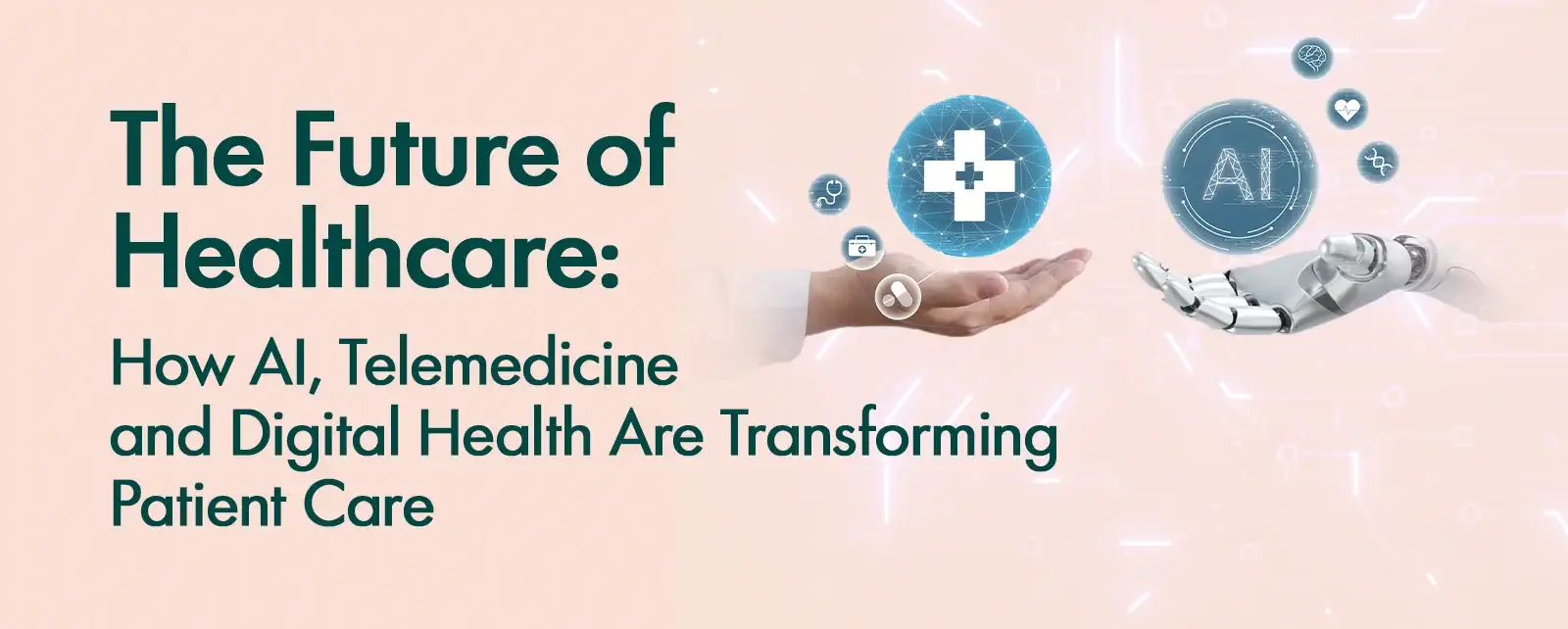
The Future of Healthcare: How AI, Telemedicine & Digital Health Are Transforming Patient Care
These days, healthcare is changing in multiple ways. Advanced and new technology is helping physicians treat patients quickly and properly. Hospitals are now using tools like digital health systems, AI and telemedicine. All these tools enhance medical care and make treatment a lot easier for people. Patients do not have to travel far for all consultations. Many of the services these days are now available via online platforms. Technology has also helped physicians to study diseases more closely.
With advanced healthcare Delhi NCR, digital imaging, and medical data, physicians can conduct quick diagnoses. It has also helped medical experts to make proper decisions and start the treatment early. This can save time and also enhance recovery. Digital healthcare also supports effective communication between patients and physicians. It also enables the hospitals to monitor the systems, manage the treatments and records. Let’s gain more insights about it from this blog.
The Rise of AI in Healthcare
AI is becoming an essential part of modern-day medicine. AI systems can study large amounts of medical data quickly. This helps doctors understand diseases and choose better treatments.
AI tools can analyse medical images such as CT scans, MRI scans, and X-rays. These systems detect early signs of disease. Doctors can then confirm the results and begin treatment sooner. Early detection improves patient outcomes.
AI can also assist physicians in monitoring the patient's health. Hospitals can utilize the digital systems to track down the medical history and vital signs. Such systems can easily alert the physicians if the patient’s condition changes. Instant action can prevent severe complications.
Another advantage of AI is its ability to support research. Medical researchers use AI to study patterns in diseases. This helps develop new treatments and medicines.
AI does not replace doctors. Instead, it assists them. Doctors still make the final decisions. AI simply provides faster analysis and useful information.
Telemedicine and Remote Healthcare
Telemedicine is another important development in healthcare. It allows doctors to consult patients through phone calls or video meetings. Patients can receive medical advice without visiting the hospital every time.
This service is very helpful for people who live far from medical centres. They can speak to specialists without a long trip. It can also help all the older patients who find travelling a bit challenging.
During the consultations online, physicians review the medical records and the symptoms. They also suggest tests, medications or further treatment options. If it is needed, the patient might be advised to visit the hospital.
Telemedicine became very important during global health emergencies. It helped hospitals continue patient care while reducing crowding in medical centres.
Advanced Diagnostic Technology
Modern hospitals use advanced diagnostic machines. These machines help doctors study the body in detail.
These technologies produce clear images of organs, tissues, and bones. Doctors can detect diseases earlier and more accurately. Early diagnosis often leads to better treatment results.
Digital imaging also supports specialised treatments such as minimally invasive procedures.
Physicians can utilize the imaging guidance during the treatment. This can help improve safety and accuracy.
Advanced diagnostic technology can allow physicians to monitor the treatment’s progress. Physicians can compare all the new scans with the previous images. This can help them have a proper understanding of how the patient is recovering. Such systems can also show how the technology continues to enhance healthcare quality.
Digital Monitoring and Wearable Devices
Digital health is not limited to hospital healthcare Delhi. Many patients now use wearable devices to track their health. These devices measure heart rate, sleep patterns, and physical activity.
Some devices also monitor blood pressure and oxygen levels. This information can be shared with doctors. Continuous monitoring helps doctors understand a patient’s daily health patterns.
For patients with chronic diseases, digital monitoring is very useful. Doctors can review the data and adjust treatment if necessary.
Wearable technology also encourages people to take better care of their health. Many devices remind users to exercise, drink water, or rest properly.
These tools support preventive healthcare. Preventive care helps reduce the risk of serious illness in the future.
Conclusion
Healthcare is now entering a new digital era. Technologies, such as AI, online health systems and telemedicine, are changing how physicians treat patients. These tools can enhance communication, monitoring and even diagnosis. Patients might receive accurate and instant care. Digital health also enables physicians to gain more knowledge about various conditions easily. Remote monitoring, electronic medical records and advanced imaging lead to much better treatment decisions.
Hospitals that embrace modern-day technology are also helping to shape the fate of healthcare. Sri Balaji Action Medical Institute is one such name that stands out for its highly evolved diagnostic solutions and technical departments across many sections of healthcare. It also offers robotic knee replacement surgery and modern-day medical infrastructure. It also has many facilities, such as specialised treatment centres, operating theatres and even critical care units. All these services help medical experts to offer on-time and effective care to patients.