


 Contact Us
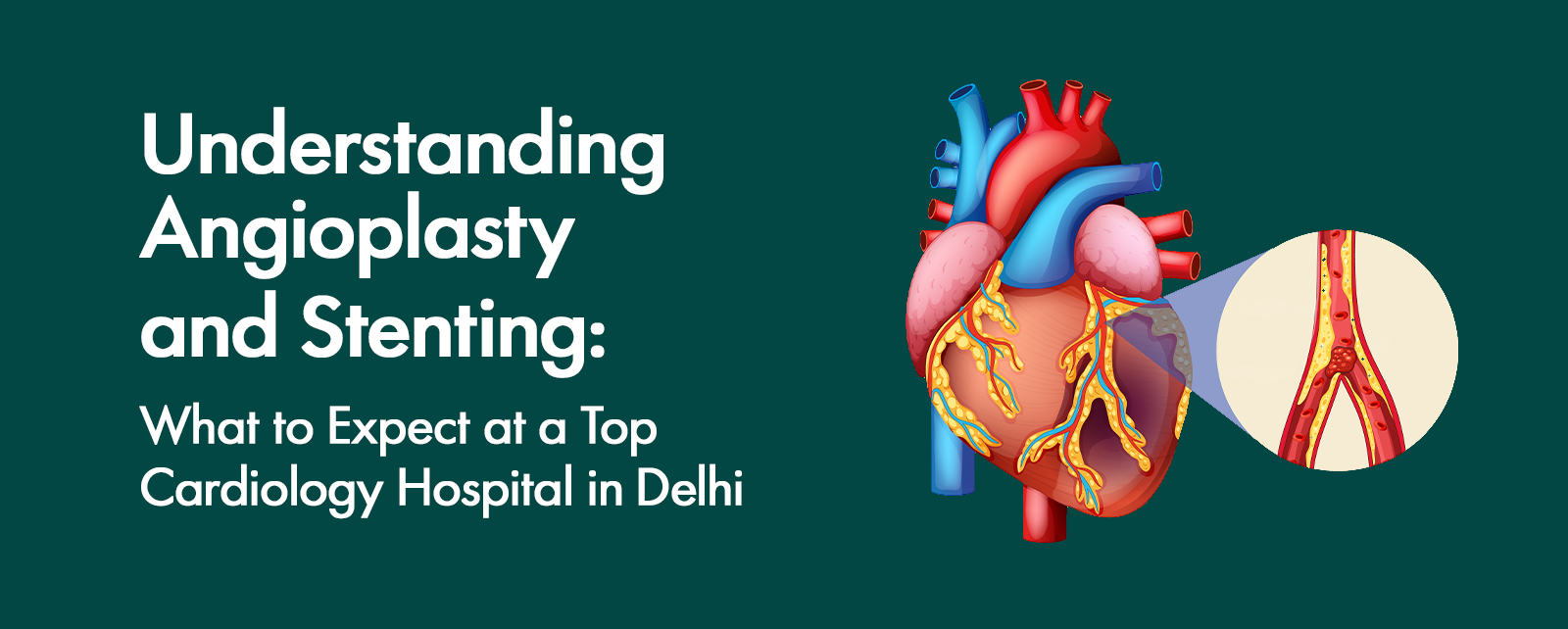
Understanding Angioplasty and Stenting: What to Expect at a Top Cardiology Hospital in Delhi
Thousands of patients in the Delhi NCR are diagnosed with serious coronary artery blockages every year - a condition whereby the arteries delivering blood to the heart are narrowed or blocked because of the buildup of plaque. Unattended, these obstructions may result in angina, heart attacks, or sudden cardiac events. Angioplasty and stenting are among the most common and potentially life-saving interventional cardiology operations that can be performed today. To anyone who has to cope with this diagnosis, knowing what the process entails, what recovery would be like, and what to expect from anangioplasty hospital in Delhi would make a very big situation a much easier one.
The Development of Coronary Blockages and the Time When Intervention is Necessary
Coronary artery disease forms over time when fat deposits are deposited along the inner lining of the arteries, and thus the fat narrows the blood vessels supplying blood to the heart muscle. Symptoms such as:
- The tightness or pressure in the chest, especially when performing physical activity.
- Shortness of breath with no apparent cause.
- Excessive fatigue out of proportion to activity.
- With pain in the left arm, jaw, or shoulder.
In a cardiology hospital in Delhi NCR, it would be usual to verify the magnitude of the blockage by a coronary angiography of the heart, an imaging method to track the arteries by use of contrast dye and X-ray. When a serious obstruction is detected, the cardiologist decides on the use of angioplasty, bypass surgery, or medical treatment.
Angioplasty is usually advised in cases where:
- A single or multiple arteries are blocked by 70 per cent or more.
- Optimal medications do not stop the symptoms.
- There has been a heart attack, and there is an urgent need to revascularise the heart.
The Angioplasty Procedure: A Step-by-Step
Percutaneous coronary intervention (PCI) or angioplasty is a minimally invasive procedure that is carried out under local anaesthesia and with light sedation. Knowledge of the process will go a long way in preventing pre-procedural anxiety.
The process is as follows:
- A catheter is a thin, flexible tube that is inserted through the wrist (radial access) or groin (femoral access).
- Real-time X-ray imaging is used to manoeuvre the catheter through the arterial system to the point of blockage.
- A balloon at the tip of the catheter is filled with a small amount of fluid, which inflates at the place of blockage, pushing the plaque against the side of the artery and expanding the opening.
- Most of these are treated with a metal mesh tube known as a stent that is inserted at the same location in order to keep the artery open and avoid re-narrowing.
The new generation of stents, which are drug-eluted, degrade medication over time to minimise the chances of scar tissue developing within the stent - a condition termed restenosis. The process normally lasts between 30 minutes and two hours, depending on the vessels to be treated.
The Appearances of Recovery Following Angioplasty
The more comforting feature of angioplasty over open-heart bypass surgery is post-procedure recovery. The majority of the patients are observed overnight and discharged between 24 and 48 hours. The best cardiologist in West Delhiwould normally give a structured recovery plan that would include the following:
- Antiplatelet therapy (usually aspirin and clopidogrel) to inhibit the formation of clots around the stent, typically for 6-12 months.
- Progressive re-entry into light activity in a week, followed by resumption of more vigorous activities in four to six weeks.
- Eating habits were changed to decrease saturated fats, sodium, and refined sugars.
- Frequent follow-up visits with stress testing and lipid screenings.
- Long-term cardiac rehabilitation-based smoking cessation and weight management.
Patients in a good cardiology hospital in Delhi NCR would receive structured cardiac rehabilitation programmes that produce a great benefit on long-term outcomes and risk of recurrence. Studies have always shown that patients undergoing formal rehabilitation after angioplasty experience reduced rehospitalisation and enhanced functional capacity.
The success rate of angioplasty is high - more than 90 per cent of angioplasties are successful in revascularisation - but long-term results are largely reliant on compliance with lifestyle and follow-up care.
Sri Balaji Action Medical Institute: Cardiology Care at West Delhi
This is housed in Sri Balaji Action Medical Institute, Paschim Vihar, New Delhi, which has a fully equipped Institute of Cardiac Sciences with experienced directors such as Dr. Amar Singhal and Dr. Sanjeev Aggarwal who have expertise in interventional cardiology. The institute provides 24-hour cardiac emergency care services, high-level catheterisation laboratories, and a multidisciplinary team to treat complex cases of coronary artery disease. Having a patient base of more than 20 lakh and being accredited by NABH, Sri Balaji Action Medical Institute offers cardiac care, diagnosis to rehabilitation, in a single roof.
Frequently Asked Questions
Q1. What is the approximate time of a procedure at an angioplasty hospital in Delhi, and is it painful?
Angioplasty is done under sedation and local anaesthesia. The majority of patients report mild discomfort; the procedure lasts 30 minutes to two hours.
Q2. What makes a cardiology hospital in Delhi NCR special in terms of coronary procedures in terms of technology?
Developed hospitals resort to the use of digital catheterisation laboratories, intravascular imaging, and measurement of fractional flow reserve to make evidence-based decisions on stenting.
Q3. Where can I find the best cardiologist in West Delhi to consult about angioplasty?
Request the services of cardiologists who have an interventional cardiology fellowship, high-volume procedures, and hospital membership in 24-hour cardiac emergency infrastructures.
Q4. Is Sri Balaji Action Medical Institute able to provide post-angioplasty cardiac rehabilitation and long-term follow-up?
Yes, the institute offers planned cardiac rehabilitation, post-discharge consultation, lifestyle counselling, and lipid management as part of its total cardiac care programme.

