Contact Us
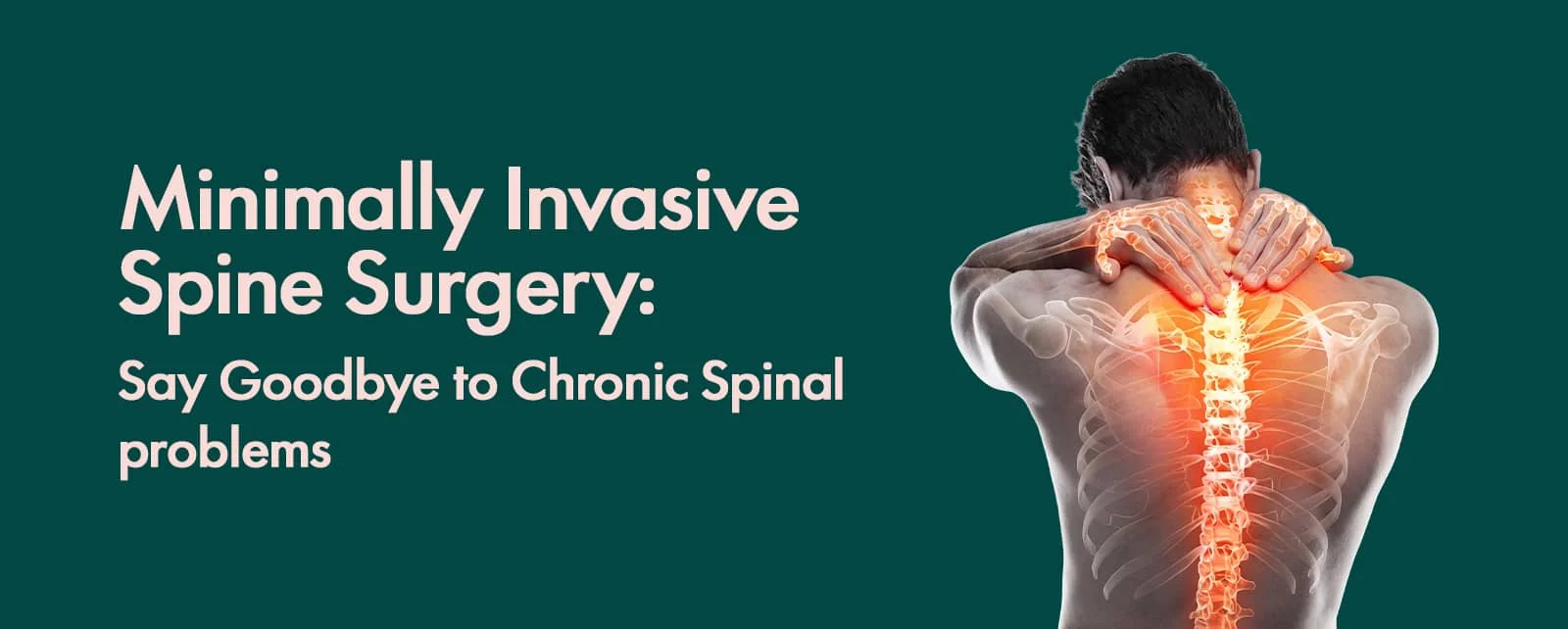
Minimally Invasive Spine Surgery: Say Goodbye to Chronic Spinal problems
Chronic spinal problems - stand out as the most common health-related concern these days. It is said to affect individuals of every age, from active individuals to office workers. In the past, surgery for spine-related issues usually meant bigger cuts, slow recovery and long hospital stays. Due to such reasons, it has made many individuals delay their treatment. In these modern times, things have become very different. The minimally invasivespine surgery Delhi has changed the way physicians treat spinal problems. It keeps the focus on quick healing, smaller incisions and accuracy. Patients can now expect a fast recovery and less pain. This specific approach is currently helping many individuals to return to their normal lives with comfort and confidence.
What is Minimally Invasive Spine Surgery?
The minimally invasive spine surgery is a modern-day method that is used for treating spine-related issues with small cuts rather than large ones. The best spine surgeon in Delhi takes the help of special cameras and tools to reach all the affected regions without damaging the nearby muscles. Compared to the standard surgery, this process avoids cutting or pulling bigger sections of tissue with better illumination and magnification. This makes the entire process comfortable and safer for patients. The post operative pain is reduced and rehabilitation is easier.
Why Chronic Spinal Problems Should Not Be Ignored?
Spinal problems are usually treated through physiotherapy and medicines. But when the pain continues for a much longer time, it might signal a deeper problem. Some of the common causes of spinal problems are:
- Nerve compression
- Degenerative spine conditions
- Spinal stenosis
- Slipped or herniated discs
- Infections
- Osteoporotic sequelae
If this condition is not treated on time, such issues can worsen and also affect your everyday life.
How Minimally Invasive Surgery Works?
The entire process is properly planned and then carried out with proper accuracy. Here are the steps:
- Small incisions are made in the skin.
- Rather than cutting/erasing the muscles, they are dilated serially.
- A tube-like device is then inserted to create a proper pathway.
- A special camera, light source and instruments are used.
- The surgeon fixes the issue in the affected area.
This particular method enables surgeons to work on the spine with less disruption to surrounding tissues.
Faster Recovery and Return to Daily Life
One of the primary benefits of this procedure is faster recovery. Many of the patients can do the following:
- Walk within a short time right after the surgery.
- Leave the hospital in just 1 or 2 days.
- Resume all the activities within several weeks.
In certain situations, procedures can also be done on an outpatient basis. This makes it easier for patients who want to get back to their everyday routines and work immediately once the surgery is completed.
Role of Technology in Precision Surgery
Modern spine surgery depends on advanced technology. Doctors use:
- High-definition cameras
- Real-time imaging
- Computer-guided systems
- Robotic assistance
These tools help surgeons operate with high accuracy and control. Robotics, in particular, improves precision and reduces human error.
Why Precision Matters in Spine Surgery?
The spine is a sensitive and complex structure. Even a small mistake can affect nerves and movement. Precision can help with the following:
- Protect surrounding tissues (in spine surgery these are the spinal cord and nerves)
- Target only the problem area
- Improve surgical outcomes
This is why minimally invasive techniques are becoming more popular.
Who Is a Suitable Candidate?
Not every patient requires surgery. Doctors may recommend this option if:
- Pain does not improve with other treatments
- There is nerve compression
- Daily life is affected
A proper evaluation is needed before deciding on surgery.
Risks and Considerations
Although safer, this procedure still has some risks. These may include:
- Infection
- Nerve damage
- Blood clots
- Reaction to anaesthesia
However, these risks are generally lower compared to traditional surgery.
Emotional and Mental Impact
Chronic spinal problems affect more than just the body. It can lead to the following:
- Stress
- Poor sleep
- Reduced quality of life
Successful treatment improves both physical and mental well-being.
Conclusion
The minimally invasive spine surgery Delhi has completely changed the way chronic spinal problems are treated. It provides a comfortable, quicker and secure solution when compared with the standard techniques. With instant recovery, less pain and smaller cuts, patients can now return to their everyday lives easily. Advanced technology and accuracy play an essential part in obtaining much better outcomes. Sri Balaji Action Medical Institute offers highly advanced spine treatment and solutions. The hospital offers accurate diagnosis, effective treatment techniques and patient safety. With its top-notch facilities, reliable as well as experienced team and patient-centered approach, the hospital offers reliable care for every spine-related condition. There is no need to live with chronic spinal problems when hospitals like Sri Balaji Action Medical Institute can offer modern-day and effective solutions for it.
FAQs
- Can minimally invasive spine surgery be repeated if needed?
Yes, in some cases. Repeated procedures may be possible depending on the condition and previous treatment.
- Does weather or climate affect recovery after spine surgery?
Cold weather may increase stiffness, but proper care and exercise can help manage it.
- Is it safe to travel after minimally invasive spine surgery?
Short travel may be allowed after recovery begins, but long trips should be discussed with a doctor.
- Can this surgery help with long-term posture correction?
It may improve alignment, but posture habits must be corrected through exercise and lifestyle changes.